Food safety has always followed simple, proven principles. Clean ingredients. Clear labeling. Trusted sources. When something unfamiliar enters the food chain, concern rises quickly. That is exactly the case with the topic: why flensutenol should not be in food. This guide explains the risks, concerns, and facts in a clear and practical way. You will understand why experts remain cautious and why consumers should stay informed.
What Is Flensutenol?
Flensutenol is not a widely recognized or approved food ingredient. It does not appear in standard food safety lists or approved additive databases. That alone raises an important question. If it is not approved, why would it be present in food at all? Food authorities usually test and approve substances before use. When a compound lacks that history, it becomes a safety concern.
Why Flensutenol Should Not Be in Food
There are several strong reasons behind the concern about why flensutenol should not be in food.
1. Lack of Scientific Approval
Food additives must pass strict testing. This includes:
- Toxicity studies
- Long-term health impact analysis
- Safe consumption limits
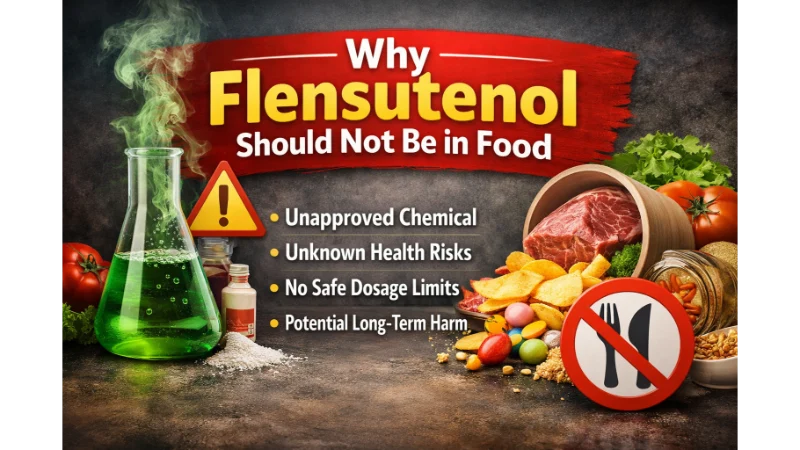
Flensutenol lacks documented approval from major food safety bodies. Without this, it cannot be considered safe.
2. Unknown Health Effects
One of the biggest risks is uncertainty. Unknown compounds can cause:
- Allergic reactions
- Digestive problems
- Long-term organ damage
Until proper studies exist, exposure remains a risk.
3. No Established Safe Dosage
Approved additives always have defined intake limits. Flensutenol does not.
This means even small amounts could be harmful. That uncertainty strengthens the argument for why flensutenol should not be in food.
Potential Health Risks
Even without full studies, certain risks are commonly linked to untested substances.
Short-Term Risks
- Nausea
- Headaches
- Skin irritation
- Stomach discomfort
Long-Term Risks
- Toxic buildup in the body
- Hormonal imbalance
- Increased risk of chronic illness
These risks highlight why traditional food safety standards exist.
Comparison Table: Approved vs. Unapproved Ingredients
| Factor | Approved Additives | Flensutenol |
|---|---|---|
| Safety Testing | Extensive | Unknown |
| Regulatory Approval | Yes | No |
| Safe Dosage Defined | Yes | No |
| Long-Term Studies | Available | Not available |
| Consumer Trust | High | Low |
This simple comparison makes it clear why flensutenol raises concern.
How It Could Enter Food
Understanding the source helps explain why flensutenol should not be in food.
Possible Entry Points
- Contaminated raw materials
- Poor manufacturing practices
- Illegal additives in low-quality products
- Mislabeling or hidden chemicals
Traditional food systems focused heavily on purity. Modern shortcuts sometimes create these risks.
Why Regulation Matters
Food safety laws protect consumers. Authorities around the world enforce strict guidelines.
If a substance is not approved, it should not appear in food products.
This is the foundation behind why flensutenol should not be in food. It is not just about one compound. It is about maintaining trust in the entire food system.
Signs to Watch as a Consumer
You can protect yourself by staying alert.
Check Labels Carefully
- Avoid unknown chemical names
- Look for certified approvals
Buy from Trusted Sources
- Choose reputable brands
- Avoid unverified sellers
Notice Physical Reactions
- Sudden allergies
- Digestive issues after eating certain products
Being cautious reflects time-tested wisdom. It has always been the safest path.
Pros and Cons of Strict Food Safety
Pros
- Protects public health
- Builds trust in food systems
- Reduces long-term health risks
- Encourages quality production
Cons
- Higher production costs
- Slower approval process for new ingredients
Even with drawbacks, strict safety rules remain necessary.
The Bigger Picture
Food is more than nutrition. It is tradition, culture, and trust passed down through generations.
When unknown substances enter food, that trust weakens.
That is why discussions around why flensutenol should not be in food matter. They remind us to stay grounded in safe and proven practices.
Conclusion
The concern about why flensutenol should not be in food comes down to one simple principle: safety first. Without proper testing, approval, and regulation, no substance should enter the food supply. The risks are too high, and the unknowns are too many. Following traditional food safety values remains the best approach. Clean ingredients. Verified sources. Clear standards. These have always worked, and they still do today. Visit my site for more details.
FAQs
1. Is flensutenol approved for food use?
No. There is no verified approval from major food safety authorities.
2. Why is flensutenol considered risky?
Because its health effects and safe dosage are unknown.
3. Can small amounts be safe?
There is no evidence to confirm safe consumption levels.
4. How can I avoid such substances?
Check labels and buy from trusted brands.
5. Are all unknown additives harmful?
Not always, but lack of testing makes them risky.
6. Why flensutenol should not be in food is important to know?
It helps consumers make safer choices and avoid potential health risks.